TL;DR: This guide explains why garage door maintenance is essential for safety, performance, and avoiding costly breakdowns. Readers will learn how to spot early warning signs of cable damage, understand when professional service is required, and how preventative care protects their garage door system long term.
- Learn how to identify a frayed garage door cable before it becomes dangerous
- Understand how cables, springs, and the garage door opener work together
- Know when to call a professional garage door repair service instead of attempting DIY fixes
- Discover the difference between simple repairs and full repair or replacement
- See how preventative maintenance reduces wear and tear and extends system lifespan
Your garage door is one of the hardest-working systems in your home. It lifts hundreds of pounds, relies on high-tension components, and opens and closes multiple times a day. Yet many homeowners don’t think about garage door maintenance until something goes wrong.
One of the most dangerous and commonly overlooked issues is a frayed garage door cable. Left unchecked, fraying can lead to sudden failure, property damage, or serious injury. In this guide, we’ll explain what causes fraying, how to spot warning signs, and when it’s time to call a professional garage door repair service instead of risking a DIY fix.
Why Garage Door Maintenance Matters
Consistent garage door maintenance isn’t just about convenience—it’s about safety and longevity. A well-maintained garage door operates smoothly, quietly, and reliably. Neglected systems, on the other hand, experience accelerated wear and tear that can lead to costly breakdowns.
Routine maintenance for garage door systems helps:
- Prevent sudden failures
- Extend the life of critical components
- Reduce the need for emergency repairs
- Improve the performance of the garage door opener
- Keep your door opening and closing safely every time you open or close it
Understanding the Role of Garage Door Cables
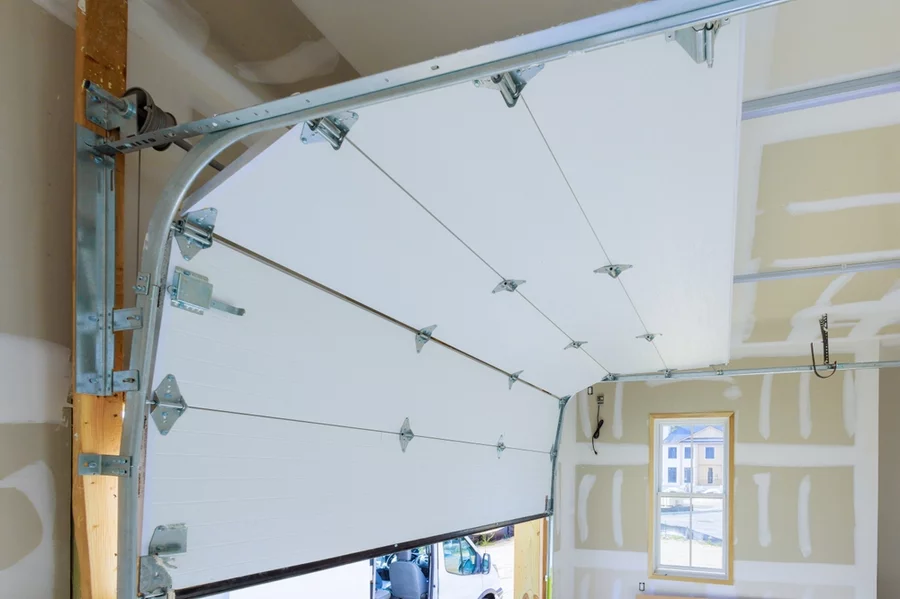
Garage door cables work alongside garage door springs to lift and lower the door evenly and safely. These heavy-duty steel cables carry immense tension and guide the door as it moves along the tracks, helping maintain balance throughout each opening and closing cycle.
There are two primary systems used in residential garage doors: extension spring systems and torsion spring systems. In both setups, the cables play a critical role in supporting the weight of the door and controlling its movement. If a cable becomes frayed or snaps, the door can jam, slam shut, or hang unevenly, creating a serious safety hazard and increasing the risk of damage or injury.
What Causes a Frayed Garage Door Cable?
A frayed garage door cable doesn’t happen overnight. In most cases, it’s the result of gradual damage that builds up over time as the door is used day after day. Normal wear and tear from frequent opening and closing slowly weakens the steel strands, especially when the system is under constant tension. Exposure to moisture can also lead to rust or corrosion, which eats away at the cable and reduces its strength.
Improper alignment or incorrect tension places uneven stress on the cable, causing certain sections to wear faster than others. Aging garage door springs can worsen the problem by shifting more load onto the cables than they’re designed to handle. When regular garage door maintenance service is neglected, these issues often go unnoticed. Over time, individual steel strands begin to break, creating a fuzzy or unraveling appearance near the drum or bottom bracket that signals a serious safety concern.
Warning Signs of Cable Fraying
Catching cable issues early can mean the difference between a simple repair and a full repair or replacement scenario.
Watch for these signs:
- Visible fraying or loose strands on the cable
- Uneven movement when the door tries to open or close
- A door that looks crooked or tilted
- Loud snapping, popping, or grinding noises
- Jerky or delayed response from the garage door opener
If you notice any of these symptoms, stop using the door and schedule professional service immediately.
The Hidden Risk of Ignoring Frayed Cables
Garage door systems store enormous energy. When a cable fails, that energy has to go somewhere—often with destructive force.
A snapped cable can:
- Cause the door to slam shut
- Damage tracks, panels, or the opener
- Throw the door off balance
- Leads to spring failure, especially with a torsion spring
- Create serious injury risks for people nearby
This is why frayed cables are never a “wait and see” issue. They’re a clear signal that professional garage door repair service is needed.
Why DIY Repairs Are Dangerous
It’s tempting to search for quick fixes online, but cable and spring repairs are among the most dangerous garage door tasks.
Garage door cables are under constant tension from garage door springs. Attempting to loosen, tighten, or replace them without proper tools and training can result in severe injuries.
Professional technicians understand how to:
- Safely release spring tension
- Inspect related components
- Determine whether repair, full repair, or replacement is necessary
- Restore balance and alignment
For safety reasons, cable issues should always be handled by a certified garage door maintenance service.
Repair or Replacement: What Determines the Best Option?
Not all frayed cables require full replacement, but many do.
A technician will evaluate:
- Degree of fraying
- Age of the cable
- Condition of the springs and drums
- Overall wear and tear on the system
If the cable is only slightly worn and the rest of the system is in good condition, a targeted repair may be possible. If the cable shows significant damage—or if the door has older components—replacement is usually the safer and more cost-effective option.
The Role of Preventive Maintenance
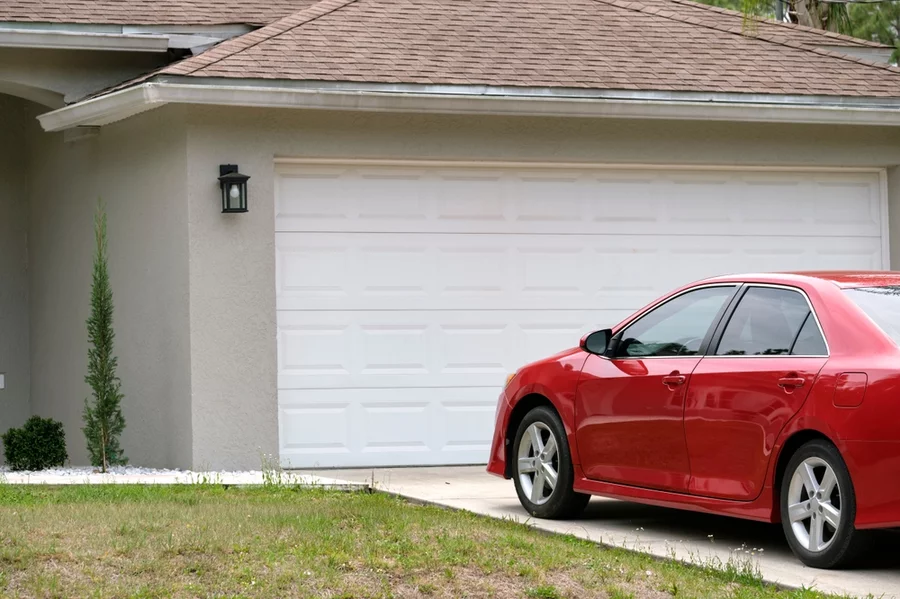
The best way to avoid unexpected breakdowns and costly emergency repairs is through preventative maintenance. A professional garage door maintenance service focuses on identifying small issues before they turn into major problems. During a routine visit, technicians visually inspect cables, springs, and rollers for signs of damage, apply proper lubrication to moving parts, and test the door’s balance and alignment to ensure smooth operation. Safety checks are also performed on the garage door opener to confirm it’s functioning correctly and responding as it should.
By catching early signs of fraying, rust, or material fatigue, routine inspections significantly reduce the risk of sudden cable or spring failure. This proactive approach helps extend the life of your garage door system and keeps it operating safely and reliably year after year.
How Often Should Garage Door Maintenance Be Done?
For most homes, annual service is sufficient. However, you may need more frequent garage door maintenance if:
- Your door is used multiple times daily
- The garage is exposed to moisture or extreme temperatures
- You have an older system
- You’ve already experienced cable or spring issues
Regular maintenance for garage door systems is far less expensive than emergency repairs or full replacements.
When to Call for Service Immediately
Call a professional garage door repair service right away if:
- You see a frayed garage door cable
- The door is uneven or stuck
- The door won’t fully open or close
- You hear loud bangs near the springs
- The opener strains or stops mid-cycle
Continuing to use the door can worsen damage and increase safety risks.
The Bottom Line: Protect Your Door and Your Safety
Garage door cables may be small, but they play a massive role in safe operation. Ignoring early warning signs can lead to dangerous failures, expensive damage, and unnecessary stress.
With consistent garage door maintenance, timely service, and a focus on preventative maintenance, you can extend the life of your system and keep your home safe.
If you notice fraying, unusual movement, or performance issues, don’t wait. A professional garage door maintenance service can identify problems early and help you decide the right path—whether that’s a simple repair, full repair, or replacement.
Your garage door works hard for you. A little maintenance goes a long way in keeping it working safely and reliably.