TL;DR: This guide explains how to choose a garage door opener by breaking down the most important factors homeowners need to consider—noise, power, price, and garage door type. Readers will learn how to compare opener styles, understand horsepower requirements, and decide which option fits their home, budget, and lifestyle best.
- Learn what size garage door opener you need based on door weight and material
- Compare different kinds of garage door openers, including chain drive, belt drive, and screw drive
- Understand noise differences and why quiet operation matters for attached garages
- Discover which opener offers the best balance of durability, performance, and cost
- Get clear guidance on how to choose the right garage door opener with confidence
Choosing a garage door opener seems simple—until you start comparing noise levels, horsepower, and price tags. Suddenly, you’re asking questions like how to choose a garage door opener, what size garage door opener do I need, and what type of garage door opener is best for your home.
The good news? Once you understand the different kinds of garage door openers, the decision becomes much easier. In this guide, we’ll walk you through noise, power, and cost so you know exactly how to choose the right garage door opener for your home and lifestyle.
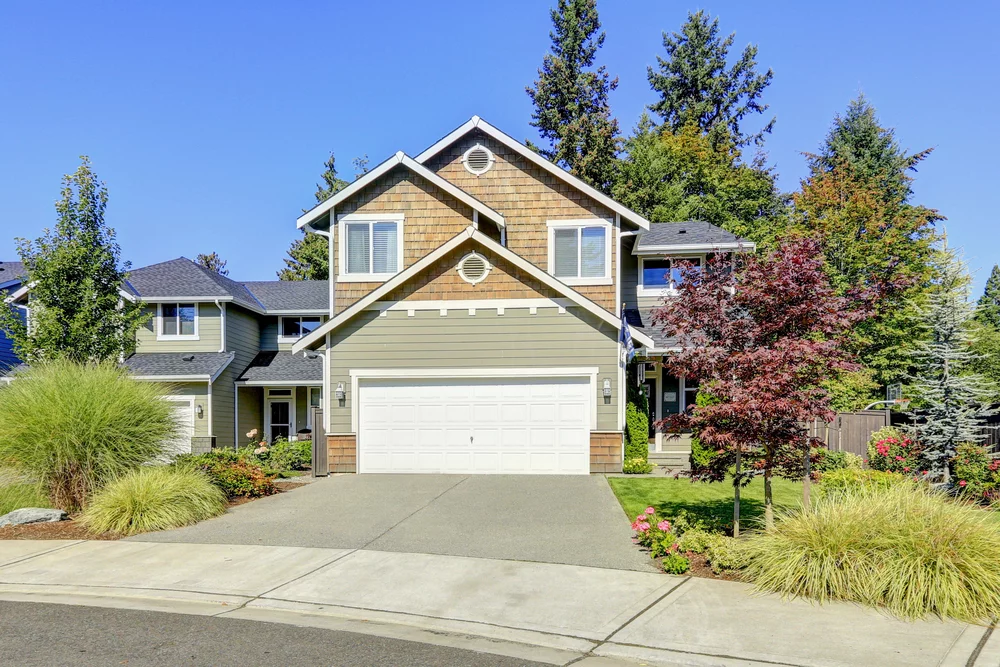
Start With Your Garage Door Type
Before looking at motors and features, you need to consider the types of garage doors you have—or plan to install.
Garage doors vary by:
- Material (steel, wood, aluminum, composite)
- Size (single vs. double)
- Weight
- Whether the garage is open or closed to living spaces
A lightweight aluminum door needs far less power than a heavy insulated steel or wood door. This is the foundation for answering what size garage door opener do I need?
Understanding Garage Door Opener Power (Horsepower Matters)
One of the most common mistakes homeowners make when learning how to pick a garage door opener is choosing the wrong motor strength.
Here’s a simple breakdown:
- ½ HP opener – Ideal for most standard single garage doors
- ¾ HP opener – Best for heavier or insulated double doors
- 1 HP or higher – Recommended for oversized or solid wood doors
If your garage door struggles to open or closes unevenly, the issue may not be the door—it may be that the opener doesn’t have enough power.
Choosing the right horsepower ensures smoother operation and extends the life of both the opener and the door’s moving parts.
Chain Drive Garage Door Openers: Powerful and Affordable
A chain drive garage door opener is one of the most common and budget-friendly options.
How It Works
Chain drive openers use a metal chain—similar to a bicycle chain—to move the door along the track.
Pros
- Affordable
- Strong and durable
- Works well with heavy garage doors
Cons
- Louder than other options
- Vibration can travel into the home
Chain drives are a solid choice if your garage is detached or noise isn’t a major concern. They’re especially popular for homeowners who want reliability at a lower price point.
Belt Drive Openers: Quiet Operation for Attached Garages
If noise is your top concern, belt drive openers are often the best solution.
Instead of a metal chain, these openers use a reinforced rubber or polyurethane belt. The result is smooth, quiet operation with minimal vibration.
Pros
- Extremely quiet
- Ideal for garages attached to the house
- Smooth opening and closing
Cons
- Higher upfront cost
- Slightly less rugged than chain drives (though modern belts are very strong)
For families with bedrooms above the garage or anyone tired of hearing the door open early in the morning, belt drives are often the answer to what type of garage door opener is best.
Screw Drive Garage Door Openers: Fewer Moving Parts
A screw drive garage door opener uses a threaded steel rod to move the door.
Pros
- Fewer moving parts
- Lower maintenance
- Faster opening speeds
Cons
- Can be noisy in extreme temperatures
- Not as quiet as belt drive openers
Screw drive openers work well in moderate climates and for homeowners who want a balance between strength and simplicity.
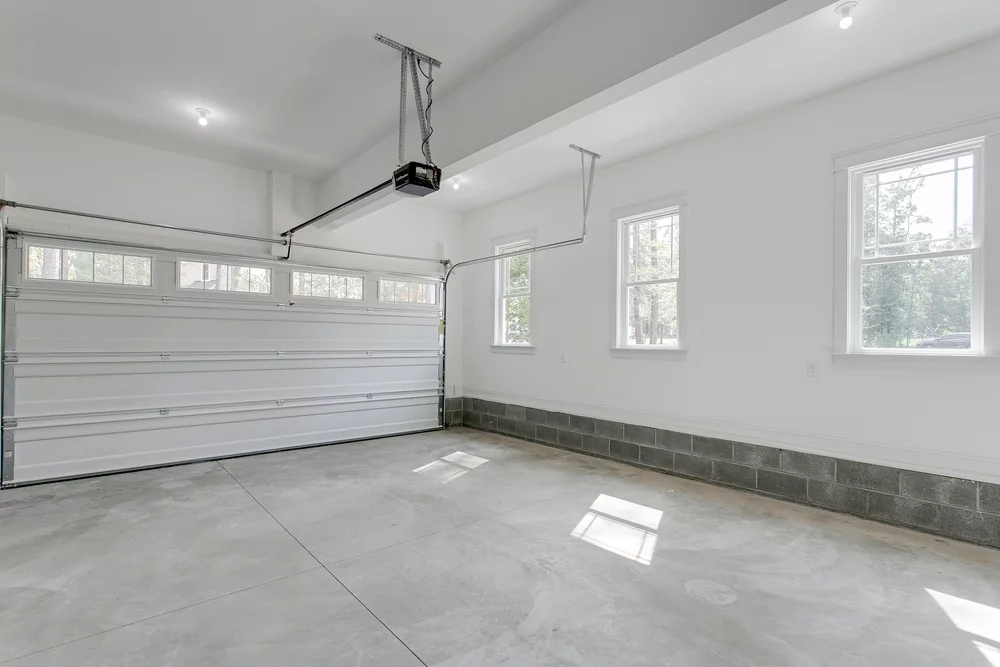
Comparing Noise Levels: Why It Matters More Than You Think
Noise is one of the most overlooked factors when deciding how to choose a garage door opener.
Ask yourself:
- Is your garage attached or detached?
- Are bedrooms nearby?
- Do you leave early or arrive late?
If your garage is attached, investing in a quieter system can significantly improve day-to-day comfort. Belt drives offer the quietest performance, while chain drives tend to be the loudest.
Smart Features and Modern Convenience
Modern garage door openers do much more than open and close.
Many now include:
- Smartphone control
- Auto-close timers
- Battery backup
- Real-time alerts when the door is left open or closed
While smart features don’t affect power or noise directly, they do impact overall value. For many homeowners, learning how to choose the right garage door opener, convenience and security are just as important as horsepower.
Price vs. Long-Term Value
Price is always a factor—but cheapest isn’t always best.
- Chain drive openers: Lowest upfront cost
- Screw drive openers: Mid-range pricing
- Belt drive openers: Highest upfront cost, best comfort
A slightly higher investment can mean quieter operation, fewer repairs, and better daily usability. When considering how to pick a garage door opener, think long-term—not just the initial price.
Matching the Opener to Your Garage Door
To recap, here’s how to align your opener choice with your needs:
- Heavy doors → More horsepower
- Attached garage → Belt drive openers for quiet operation
- Detached garage → Chain drive garage door opener works well
- Minimal maintenance → Screw drive garage door opener
This approach makes it easier to answer both what size garage door opener do I need and what type of garage door opener is best for your home.
The Bottom Line: How to Choose the Right Garage Door Opener
Choosing a garage door opener doesn’t have to be overwhelming. Once you understand the different kinds of garage door openers, the decision becomes practical and personal.
Focus on:
- Door size and weight
- Noise tolerance
- Budget
- Long-term comfort and reliability
By evaluating power, noise, and price together, you’ll know exactly how to choose a garage door opener that fits your home—and your life.
If you’re unsure or want professional guidance, a garage door expert can help you select and install the perfect system with confidence.