TL;DR: This guide explains how to make garage door quieter by identifying common causes of noise and providing practical solutions to improve smooth operation. Readers will learn simple maintenance steps and upgrades that reduce vibration, eliminate squeaks, and create a quieter garage door system.
- Discover common causes of a noisy garage door, including loose hardware and worn rollers
- Learn how regular maintenance and lubrication improve garage door noise reduction
- Find out how upgrading rollers or installing an insulated garage door can reduce sound and vibration
- Understand how the garage door opener and mounting hardware can contribute to noise
- Get practical tips on how to make your garage door quieter and keep it operating smoothly
A loud garage door can be more than just an annoyance. If your garage door opens with grinding, rattling, or squeaking sounds, it’s usually a sign that something in the system needs attention. Over time, parts loosen, lubrication wears off, and everyday use causes components to shift.
The good news is that improving garage door noise reduction is often easier than many homeowners expect. With a few adjustments, some regular maintenance, and the right upgrades, you can significantly reduce sound and create a quiet garage door that operates smoothly.
In this guide, we’ll walk through practical steps to help you learn how to make garage door quieter, identify the causes of noise, and keep your door running quietly for years to come.
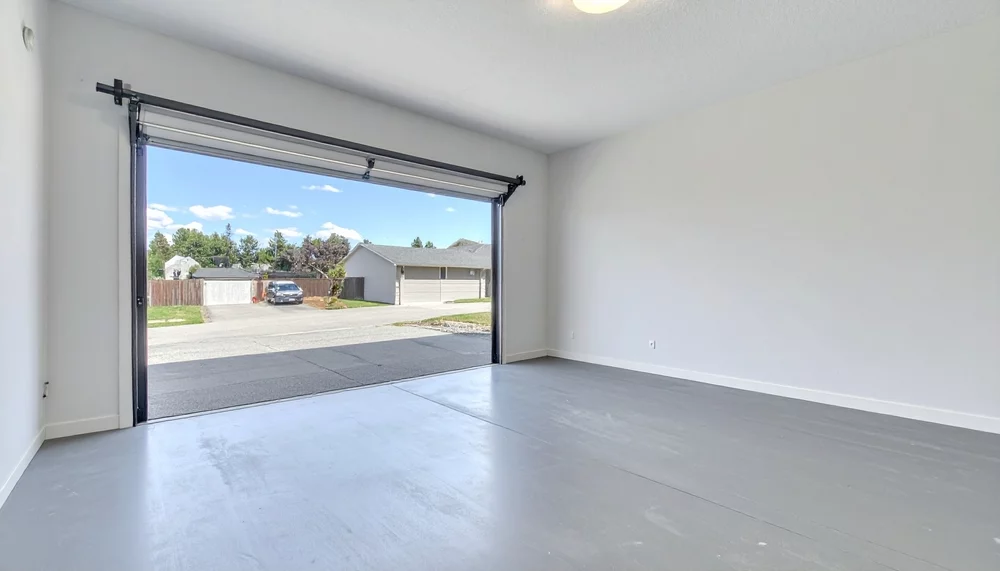
Why Garage Doors Become Noisy
Garage doors move dozens of times every week, sometimes hundreds of times per month. That constant motion naturally leads to wear and tear, which is one of the main causes of a noisy garage door.
Several factors contribute to garage door noise:
- Loose hardware and fasteners
- Dry rollers or hinges
- Worn springs or cables
- Vibrating tracks or opener components
- An aging garage door opener
Each of these issues can create rattling, squeaking, or grinding sounds as the door moves along the track. Addressing them through garage door maintenance is the first step toward a quieter system.
Start With Regular Maintenance
If you’re wondering how to quiet garage door systems effectively, the answer almost always begins with regular maintenance.
Routine care keeps parts moving smoothly and prevents small problems from becoming bigger ones. Without maintenance, friction increases and noise becomes more noticeable every time the garage door opens or closes.
Basic garage door maintenance includes checking hardware, lubricating moving parts, and inspecting components for wear. These simple steps alone can dramatically improve noise reduction.
Tighten Loose Hardware
Garage doors rely on dozens of bolts, brackets, and hinges. Over time, vibrations from daily use cause these parts to loosen.
When hardware loosens, the door can rattle against the track, producing the kind of sound that makes homeowners search for how to make your garage door quieter.
Use a socket wrench to gently tighten:
- Roller brackets
- Track bolts
- Hinge screws
- Opener mounting brackets
Avoid overtightening, as this can damage components or restrict movement.
Lubricate Moving Parts
Lubrication is one of the simplest and most effective steps in garage door noise reduction.
When metal parts move against each other without lubrication, friction produces squeaking and grinding sounds. Applying a high-quality garage door lubricant reduces friction and creates smoother movement.
Focus on lubricating:
- Hinges
- Rollers
- Springs
- Bearings
- Tracks (light application only)
Regular lubrication can transform a noisy garage door into a noticeably smoother and quieter system.
Replace Worn Rollers
Old rollers are one of the most common sources of noise. Many older garage doors use metal rollers that produce loud vibrations as they move along the track.
Upgrading to nylon rollers can significantly improve noise reduction and help create a quiet garage door.
Nylon rollers produce less vibration, glide more smoothly, require less lubrication, and reduce long-term wear on tracks.
Replacing rollers is one of the most effective upgrades when learning how to make a garage door quieter.
Check the Garage Door Opener
Your garage door opener can also contribute to unwanted noise.
Chain-driven openers are especially known for producing vibration and rattling. If the chain is loose or dry, it can amplify the sound each time the garage door opens.
Inspect the opener for:
- Loose mounting hardware
- A slack or dry chain
- Motor vibration against ceiling mounts
Tightening hardware and lubricating the chain can help improve garage door noise reduction immediately.
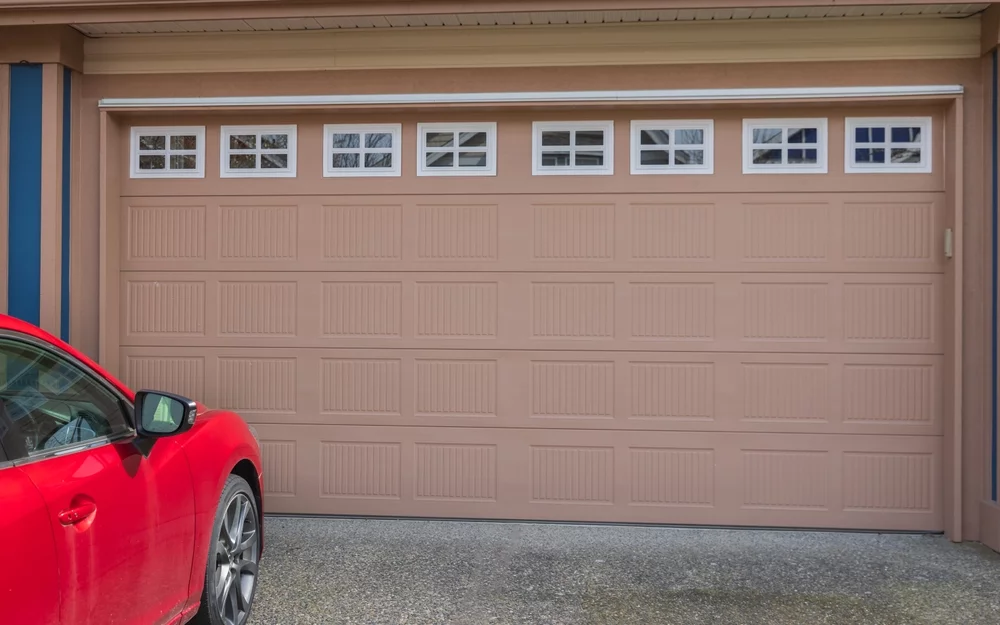
Consider an Insulated Garage Door
Sometimes the best solution for how to make garage door quieter is upgrading the door itself.
An insulated garage door provides several benefits beyond temperature control. The insulation layer adds rigidity and absorbs vibration, reducing the sound created as the door moves.
Benefits of an insulated door include:
- Improved noise reduction
- Stronger and more durable panels
- Better energy efficiency
- Smoother operation
If your existing door is thin or older, upgrading to an insulated garage door can dramatically improve quietness.
Reduce Vibrations Around the Opener
Another overlooked source of noise is vibration transferred from the opener into the ceiling or walls.
When the motor runs, vibrations travel through metal brackets and mounting hardware. These vibrations can create rattling sounds throughout the garage.
Adding rubber isolation pads or vibration dampeners between the opener and mounting brackets can help reduce noise significantly. This small adjustment can make a noticeable difference when learning how to quiet garage door systems.
Inspect Springs and Cables
Springs and cables carry the weight of the garage door, which means they are constantly under tension. If these components wear out, they can create grinding or popping sounds.
While lubrication can sometimes help, worn springs usually require professional inspection.
Because springs store significant tension, they should never be adjusted or replaced without proper training. If your noisy garage door seems to originate near the spring system, it’s best to call a professional technician.
Maintain Tracks for Smooth Operation
Tracks guide the door during movement. If they become bent, dirty, or misaligned, they can cause friction and vibration.
As part of garage door maintenance, periodically inspect tracks for debris or buildup. Cleaning the tracks with a damp cloth and ensuring they remain straight can improve overall performance.
Proper track alignment allows the door to move smoothly, helping with garage door noise reduction.
When Professional Service Is Needed
While many improvements can be handled with simple maintenance, some problems require professional help.
Consider calling a technician if:
- The door makes loud banging or grinding sounds
- The garage door opens unevenly
- Springs appear worn or stretched
- The opener struggles to lift the door
- Noise persists after lubrication and tightening
A professional inspection can identify hidden issues and restore smooth operation safely.
The Bottom Line: Creating a Quiet Garage Door
Learning how to make your garage door quieter doesn’t require complicated solutions. Most of the time, the answer lies in proper care, simple adjustments, and consistent garage door maintenance.
By tightening hardware, lubricating moving parts, upgrading rollers, and addressing opener vibration, you can achieve noticeable garage door noise reduction. If additional improvements are needed, installing an insulated garage door or replacing aging components can take quiet performance even further.
With a little attention and regular maintenance, your garage door can operate smoothly and quietly—making your home more comfortable and your daily routine much more pleasant.