Garage door gaps, though seemingly insignificant, can pose a significant challenge to your home’s energy efficiency and overall comfort. These gaps serve as entry points for unwanted elements like drafts, moisture, insects, and even small critters, potentially compromising your garage’s integrity and leading to higher utility bills.
Sealing garage door gaps not only helps maintain a consistent temperature within the space but also enhances security by preventing unauthorized access. Furthermore, it contributes to a cleaner and more organized environment by keeping out debris and pests.
By addressing these gaps, you can create a more comfortable and energy-efficient living space while protecting your investment in your garage door system.
Identifying Common Areas for Gaps in Garage Doors
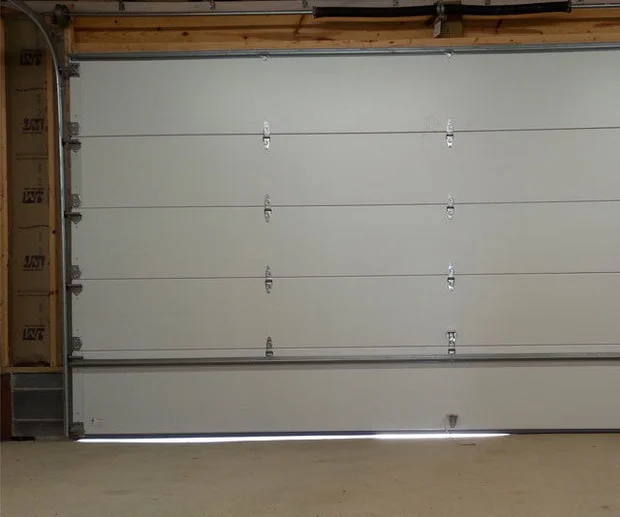
Before embarking on the sealing process, it’s crucial to identify the areas where gaps are most likely to occur. Some common locations include:
- Bottom Seal
- The bottom of the garage door, where it meets the floor, is a prime spot for gaps to develop due to the constant opening and closing motion.
- Side Seals
- The vertical edges of the garage door can also experience gaps, especially if the door is not properly aligned or if the weather stripping has deteriorated over time.
- Top Header
- The area between the top of the garage door and the header can be a source of gaps, allowing air and moisture to seep in.
- Panel Joints
- The joints between the individual panels of the garage door can develop gaps as the door ages and the components shift or wear down.
Tools and materials needed for sealing garage door gaps
Before starting your new garage door gap-sealing project, it’s essential to gather the necessary tools and materials. Here’s a list of what you’ll need:
- Caulk Gun: This tool is necessary for applying caulk evenly along the gaps.
- Silicone or Latex Caulk: Choose the type that best suits your garage door material, ensuring it provides good adherence and weather resistance.
- Weatherstripping: Available in rubber, vinyl, or foam, select the one that best fits the gaps and offers durable sealing.
- Utility Knife or Scissors: For cutting the weatherstripping to the correct length.
- Putty Knife or Scraper: Useful for removing old caulk and preparing the surfaces.
- Cleaning Supplies: Include a degreaser and rags to clean the area thoroughly before applying new caulk or weatherstripping.
- Safety Gear: Gloves and eye protection to safeguard against accidental spills and splinters.
- Ladder or Step Stool: Needed to reach the top part of the garage door safely.
Step-by-step guide on how to seal garage door gaps
Follow these steps to effectively seal the gaps in your garage door:
- Prepare the Surface
- Clean the areas around the gaps thoroughly, removing any dirt, debris, or old weatherstripping.
- Use a degreaser and scrub the surfaces to ensure proper adhesion of the new sealants and weatherstripping.
- Measure and Cut Weatherstripping
- Measure the lengths required for each gap area, allowing for a slight overlap at the corners.
- Cut the weatherstripping to size using a utility knife or scissors.
- Apply Caulk
- For gaps wider than 1/4 inch, apply a bead of caulk along the gap.
- Use a putty knife or your finger to smooth the caulk and ensure proper adhesion.
- Install Weatherstripping
- Press the weatherstripping firmly into the caulk or directly onto the surface, ensuring a tight seal.
- For corner areas, miter the weatherstripping for a clean finish.
- Seal Panel Joints
- If gaps exist between the panels, apply a bead of caulk along the joint.
- Smooth the caulk with a putty knife for a seamless finish.
- Final Inspection
- Once the caulk and weatherstripping have been installed, inspect the entire garage door for any remaining gaps or areas that require additional sealing.
- Address any missed spots to ensure a comprehensive seal.
- Allow for Curing
- Follow the manufacturer’s instructions for curing times and ensure proper ventilation during this process.
- Avoid operating the garage door until the caulk has fully cured.
Tips and tricks for a successful garage door gap sealing project
To ensure a successful and long-lasting garage door gap sealing project, consider these helpful tips and tricks:
- Choose the Right Materials: Select weatherstripping and caulk that are specifically designed for garage door applications. Consult with a professional or refer to the manufacturer’s recommendations for the best products.
- Consider Temperature and Weather: The ideal conditions for sealing garage door gaps are moderate temperatures and dry weather. Avoid extreme heat, cold, or humid conditions, as they can affect the curing process and adhesion.
- Clean Thoroughly: Proper surface preparation is crucial for effective sealing. Thoroughly clean the areas around the gaps, removing any dirt, grease, or old weatherstripping residue.
- Apply Consistent Pressure: When installing weatherstripping, apply consistent pressure to ensure a tight seal and proper adhesion. Use a roller or your hands to firmly press the weatherstripping into place.
- Address Corners and Transitions: Pay special attention to corners and transitions, where gaps are more likely to occur. Mitre or overlap the weatherstripping at these points for a seamless finish.
- Check for Alignment: Ensure that the garage door is properly aligned before sealing the gaps. Misalignment can cause uneven wear and premature failure of the sealing materials.
The benefits of sealing garage door gaps
Sealing garage door gaps offers numerous benefits that extend beyond energy savings and improved comfort. Here are some of the most significant advantages:
- Energy Efficiency
- By preventing air leaks, sealing garage door gaps can significantly reduce energy consumption and lower your utility bills. This is particularly important if your garage is attached to your living space or if you use it as a workshop or recreational area.
- Temperature Control
- Sealed gaps help maintain a consistent temperature within the garage, preventing drafts and ensuring a comfortable environment for work or storage.
- Moisture and Pest Prevention
- Sealing gaps prevents moisture intrusion, which can lead to mold growth, wood rot, and other structural issues. It also deters pests, such as insects and rodents, from entering the garage and potentially causing damage or infestations.
- Improved Security
- Well-sealed garage doors enhance security by preventing unauthorized access through gaps and cracks, providing an additional layer of protection for your property.
- Reduced Noise
- By sealing gaps, you can minimize the transmission of outside noise into the garage, creating a quieter and more peaceful environment.
- Extended Door Life
- Properly sealed garage doors experience less wear and tear, as they are not exposed to the elements or subjected to excessive stress from air leaks. This can prolong the lifespan of your garage door system and reduce the need for costly repairs or replacements.
Common mistakes to avoid when sealing garage door gaps
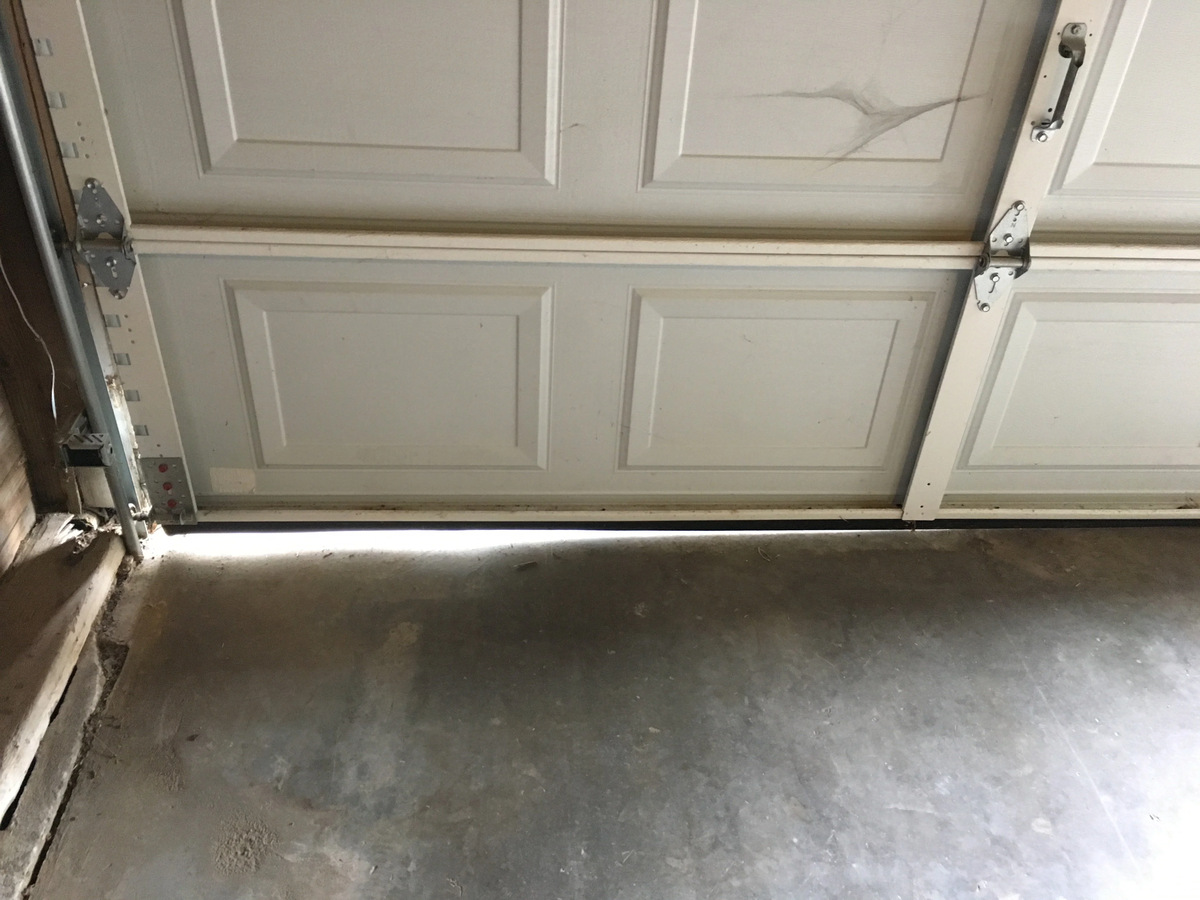
While sealing garage door gaps may seem like a straightforward task, there are several common mistakes that can compromise the effectiveness of your efforts. Here are some pitfalls to avoid:
- Using Incorrect Materials
- Choosing the wrong type of caulk, weatherstripping, or sealant can lead to premature failure or poor adhesion. Always use products specifically designed for garage door applications and follow the manufacturer’s recommendations.
- Inadequate Surface Preparation
- Failing to properly clean and prepare the surfaces around the gaps can result in poor adhesion and reduced durability of the sealing materials. Ensure that the surfaces are clean, dry, and free of debris before applying any sealants or weatherstripping.
- Ignoring Manufacturer Instructions
- Each product comes with specific instructions for application, curing times, and maintenance. Neglecting to follow these guidelines can lead to suboptimal performance and potentially void warranties.
- Overlooking Alignment Issues
- If your garage door is misaligned, sealing the gaps may only provide a temporary solution. It’s essential to address any alignment problems before attempting to seal the gaps to ensure long-lasting results.
- Failing to Seal All Gaps
- Overlooking even a single gap can compromise the overall effectiveness of your sealing efforts. Conduct a thorough inspection and ensure that all gaps, no matter how small, are properly sealed.
- Applying excessive Sealant
- While it’s important to ensure proper coverage, applying too much caulk or sealant can lead to messy finishes, potential adhesion issues, and unnecessary waste of materials.
- Neglecting Maintenance
- Regular maintenance, such as inspecting and replacing weatherstripping or reapplying caulk as needed, is crucial for maintaining the effectiveness of your garage door gap-sealing efforts over time.
Alternative solutions for garage door gap sealing
While traditional caulk and weatherstripping are effective solutions for sealing garage door gaps, there are alternative options available that may better suit your specific needs or preferences. Here are some alternatives to consider:
- Garage Door Threshold Seals: These are specialized seals that attach to the bottom of the garage door, creating a tight seal against the floor when the door is closed. They are available in various materials, such as rubber, vinyl, or aluminum, and can be easily installed.
- Garage Door Brush Seals: Brush seals are designed to seal the gaps along the sides and top of the garage door. They consist of dense, flexible bristles that conform to the door’s contours, creating an effective barrier against air leaks, moisture, and pests.
- Garage Door Sweep Seals: Similar to threshold seals, sweep seals are installed along the bottom of the garage door and create a seal against the floor. They are often made of durable materials like vinyl or rubber and can be easily replaced when worn.
- Garage Door Insulation Kits: These kits typically include insulation panels that can be installed on the interior side of the garage door, providing an additional layer of insulation and helping to seal any gaps or cracks in the door panels.
- Expandable Foam Sealants: For larger gaps or hard-to-reach areas, expandable foam sealants can be an effective solution. These products are applied as a liquid and expand to fill the gap, creating an airtight seal.
- Garage Door Replacement: In some cases, particularly with older or severely damaged garage doors, replacing the entire door system may be the most effective solution for addressing gaps and improving energy efficiency.
Maintaining the effectiveness of garage door gap sealing
Sealing garage door gaps is an investment in your home’s energy efficiency and overall comfort. To ensure that your efforts remain effective over time, it’s crucial to maintain the sealing materials and address any potential issues promptly. Here are some maintenance tips to keep in mind:
- Regular Inspections: Conduct periodic inspections of the sealed areas, looking for signs of wear, damage, or gaps that may have developed over time. Early detection and repair can prevent more significant issues from arising.
- Cleaning and Reapplication: Depending on the type of sealant or weatherstripping used, you may need to clean and reapply the materials periodically. Follow the manufacturer’s recommendations for cleaning and maintenance schedules.
- Replacement of Worn Materials: Over time, weatherstripping and other sealing materials can degrade or become less effective. Be prepared to replace these components as needed to maintain a tight seal.
- Lubrication and Adjustment: Ensure that your garage door system is properly lubricated and adjusted to prevent misalignment or excessive wear, which can lead to the development of new gaps.
- Professional Assistance: If you encounter significant issues or are unsure about the proper maintenance procedures, don’t hesitate to seek professional assistance. A qualified garage door technician can provide expert guidance and ensure that your sealing efforts remain effective.
FAQs
How to make a garage door airtight?
To make a garage door airtight, install weather stripping along the sides and top, and use a threshold seal on the bottom. This combination blocks airflow, improving energy efficiency and reducing drafts.
Should a garage door be sealed?
Yes, a garage door should be sealed to prevent air leaks, pests, and moisture intrusion. Sealing helps maintain temperature control and can reduce energy costs significantly.
How do I block the gap at the bottom of my garage door?
To block the gap at the bottom of your garage door, install a durable rubber or vinyl seal, known as a door sweep. This attaches to the bottom of the door, effectively closing off gaps that let in drafts and pests.
How to insulate a garage door gap?
Insulating a garage door gap involves attaching a weather seal or threshold seal at the bottom and using foam panels or reflective insulation kits on the door itself. This helps maintain temperature control and reduces noise from outside.
Can you seal garage door gaps?
Yes, you can seal garage door gaps using weather stripping around the door’s perimeter and a threshold seal at the bottom. These seals are effective in preventing air, dust, and small critters from entering your garage.
How do I permanently seal my garage door?
To permanently seal your garage door, use high-quality weather stripping around the top and sides, and install a robust threshold seal at the bottom. Regular maintenance and checks will ensure the seals remain effective over time.
Conclusion
Sealing gaps in your garage door is more than just a routine maintenance task; it’s an investment in comfort, security, and energy efficiency. At El Paso Garage Door Repair, we understand the challenges these gaps can present to your home. That’s why we’re dedicated to providing comprehensive garage door repair solutions that not only protect your space but enhance it.
Don’t let drafts, moisture, or unwanted pests compromise the integrity of your garage. Our expert team uses the highest quality materials and the latest techniques to ensure that every crevice is sealed effectively, transforming your garage into a cleaner, more organized, and energy-efficient part of your home. With our help, you can enjoy a more comfortable living environment while also reducing your utility bills.
Are you ready to fortify your home against the elements and secure a more comfortable living space? Contact El Paso Garage Door Repair today, and let us help you achieve the peace of mind you deserve with a perfectly sealed garage door. Remember, a small step today can lead to significant savings and comfort tomorrow!
End Note
If you’re looking for top-notch garage door solutions in El Paso, look no further than El Paso Garage Door Repair. Whether you’re a homeowner in need of a reliable repair or a business owner seeking robust commercial options, they’ve got you covered. With a wide range of services from repairs to installations, they ensure your garage door operates smoothly and securely.
Discover more about the team behind your future garage door success by visiting their About Us page. Here, you’ll gain insights into their commitment to quality and customer satisfaction. Their experts are not only skilled in handling residential needs but also excel in commercial garage door repairs, understanding the nuances and requirements of large-scale operations.
For those interested in top brands like Amarr and LiftMaster, El Paso Garage Door Repair offers an extensive selection. Explore their offerings of Amarr’s stylish and durable doors or discover the reliability of LiftMaster openers. Plus, you can view some of their impressive installations and repairs on their Our Work page.
Lastly, El Paso Garage Door Repair understands that affordability is key. They offer flexible garage door financing options to help manage the costs of upgrades or repairs. Stay updated with the latest trends, tips, and company news by checking out their Blog, where they share valuable insights and updates. Connect with them today and give your garage door the care it deserves!