Garage doors are one of the most important systems in any home, and their ability to open and close smoothly depends heavily on the type of springs they use. Without these springs, the garage door opener would not be able to handle the weight of the door. When a spring fails, homeowners are faced with two common choices: torsion springs or extension springs. Understanding torsion vs extension springs: what to know before replacing your garage door springs will help you make an informed decision that affects safety, longevity, and cost.
If you are dealing with a broken spring and need a safe and fast solution, scheduling a professional garage door spring replacement is the best way to ensure reliable operation. Homeowners in Texas can rely on expert garage door repair El Paso for safe repairs that restore proper door function.
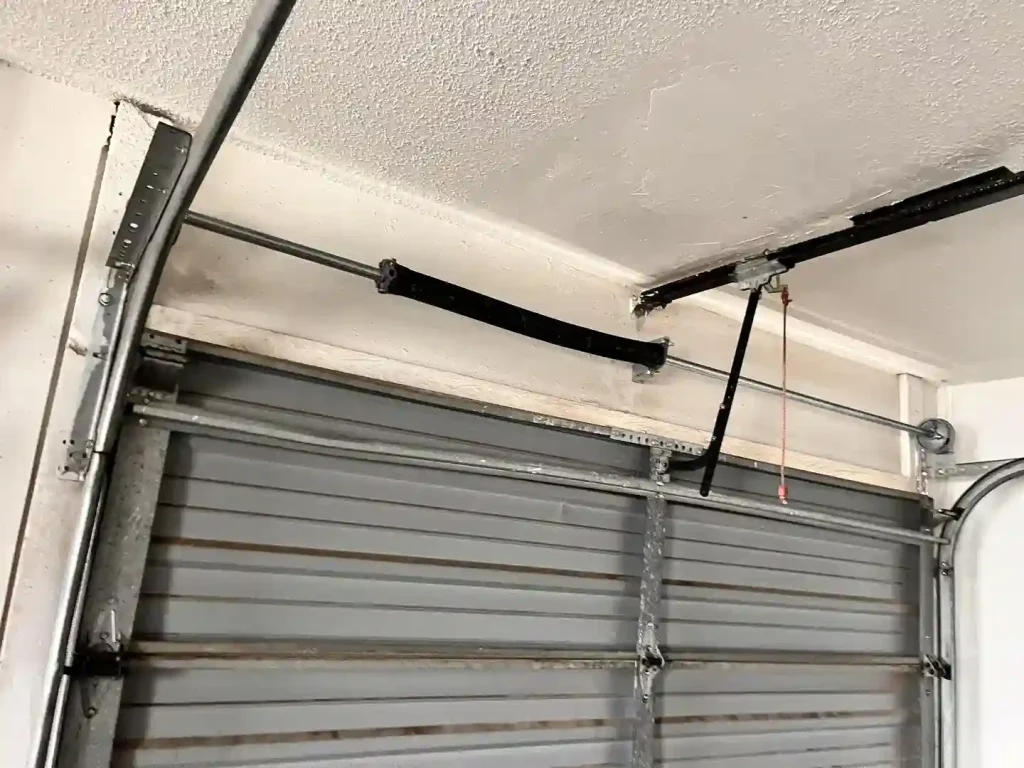
Difference Between Torsion and Extension Springs
Both torsion and extension springs store energy that counterbalances the weight of the garage door. This stored energy allows you to lift the door manually or with an opener. Despite their similar purpose, their design and operation are very different.
Torsion springs are mounted on a metal shaft above the garage door. They use torque, or twisting force, to lift the door. When the door is closed, torsion springs wind up and store energy. As the door opens, the spring unwinds, releasing energy to lift the door in a controlled, smooth motion.
Extension springs are installed on either side of the garage door and stretch when the door is closed. When you open the garage door, the springs contract, releasing energy to help lift the weight of the door. This constant stretching and contracting puts more wear on extension springs, giving them a shorter lifespan compared to torsion springs.
This difference between torsion and extension springs plays a major role in determining which type of spring is right for your garage door system.
How to Tell if Garage Door Extension Springs Need to Be Replaced
Extension springs are often the first to show visible signs of damage. You may notice the following indicators that your extension springs need replacement:
- The garage door opens unevenly, tilting to one side
- The door feels unusually heavy when you try to lift it manually
- Gaps or visible stretching in the spring coils
- A loud snapping sound followed by a spring hanging loose on the side of the garage door
- The door slams shut instead of closing smoothly
If an extension spring breaks while the door is in motion, it can create serious safety risks. Professional garage door repair services are always recommended when replacing springs on your garage door.
Do Torsion Springs Last Longer Than Extension Springs
Yes, torsion springs last significantly longer than extension springs. Torsion springs are designed to handle more cycles because the torque system distributes weight more evenly and experiences less strain.
- Torsion springs typically last between 15,000 and 20,000 cycles
- Extension springs usually last between 7,000 and 10,000 cycles
Because torsion springs last almost twice as long, they are considered the better choice for homeowners who want fewer repairs and more reliable operation. This longer lifespan compared to extension springs makes them the most common option for new garage door systems.
How to Know if a Torsion Spring is Bad on a Garage Door
Torsion springs may not always break suddenly. Instead, they often show signs of wear over time. Watch for these common problems:
- The garage door opener runs but the door does not move
- The garage door closes too quickly or feels much heavier than normal
- The torsion spring shows visible gaps in the coils
- Loud creaking or popping noises when the door starts moving
- The door only opens a few inches before stopping
If a torsion spring breaks completely, the door may slam shut unexpectedly, which can damage the garage door system and create dangerous situations.
What Are the Disadvantages of Torsion Springs
While torsion springs offer many benefits, they do have some disadvantages compared to extension springs.
- They cost more to install than extension springs
- They require professional installation and adjustment to ensure proper balance
- They are not ideal for garages with very low ceilings, where there is not enough room to mount the spring system
Despite these disadvantages, torsion springs offer smoother door movement, longer life, and safer operation than extension springs. Most overhead door companies recommend torsion springs for both residential garage doors and commercial garage doors.
Torsion vs Extension Springs: Which is Better
When considering torsion vs extension springs, torsion springs are generally the better choice for most homeowners. They provide smoother and quieter operation, last longer, and reduce risks associated with sudden breakage. Torsion springs also keep the door balanced more effectively, which prevents unnecessary wear on other parts of the garage door system such as rollers, cables, and tracks.
Extension springs may still be used in garages where headroom is limited, since torsion springs require overhead space. If your garage has a low ceiling, an extension spring system may be the only practical solution.
Garage Door Spring Repair and Safety
Replacing springs—whether torsion or extension—is not a DIY project. These springs store a large amount of energy, and mishandling them can lead to serious injuries. A professional garage door technician has the proper tools and training to safely remove and install springs while ensuring the door remains balanced.
Professional replacement not only restores smooth operation but also prevents damage to your opener and other garage door components. Choosing a reputable garage door company ensures that the springs are properly fitted for the weight of the door.
Maintenance Tips to Extend Spring Life
To avoid frequent garage door spring repair and keep your garage door running smoothly, follow these maintenance tips:
- Apply silicone-based garage door lubricant to springs and moving parts every few months
- Check springs for rust, wear, or gaps in the coils
- Inspect extension spring safety cables to make sure they are secure
- Test door balance by disconnecting the opener and lifting the door halfway—it should stay in place
- Schedule yearly inspections with a professional garage door repair service to identify problems early
Routine maintenance helps extend the lifespan of both torsion and extension springs and reduces the chance of sudden failure.
Conclusion
Choosing the right spring system is an important part of maintaining a reliable and safe garage door. Understanding torsion vs extension springs: what to know before replacing your garage door springs can help you decide which option best fits your needs. Torsion springs are generally the better choice, offering a longer lifespan, smoother operation, and safer performance compared to extension springs.
If you suspect you have a broken garage door spring or want professional guidance on the right spring system for your home, contact El Paso Garage Door Repair at (915) 201-3339. Their team of skilled technicians provides professional garage door spring replacement services to keep your door balanced and safe. Do not wait until your door stops working—schedule service today and keep your garage door system operating at its best.